
Throwback to Serializations: The Birth of Tales of the City
In 1976 a phenomenon occurred in San Francisco called Tales of the City by Armistead Maupin. What gave this fictionalized story singular importance was twofold: It was a daily serialization in the San Francisco Chronicle, just like old time stories of yore (think Charles Dickens, Mark Twain and Sir Arthur Conan Doyle). And secondly, it encompassed day-to-day real-time living in San Francisco, albeit totally fabricated.
Tales of the City became the de facto go-to event over morning coffee.
It was a phenomenon. Every morning readers would hightail it to the City Life section of the Chronicle for a new 800-word slice of life that followed the funny, sweet and often scandalous lives of the residents at 28 Barbary Lane. What made it even more fun was Maupin incorporated real San Francisco places: the Marina Safeway, which was primo pick-up spot #1 (a factual reputation known by locals for years), the Castro, The Buena Vista Club, Washington Square Park and 28 Barbary Lane (based on Macondray Lane in Russian Hill).
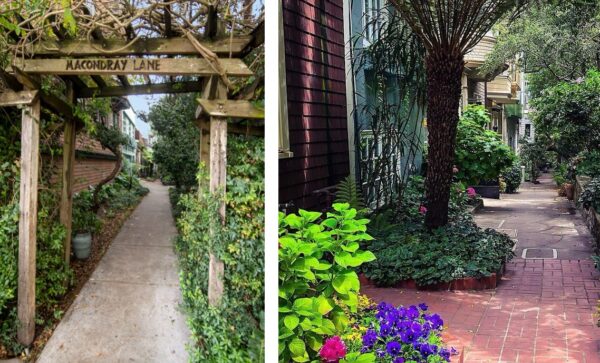
How it all started
Tales of the City actually began quietly enough in the ‘burbs. In 1974 Maupin had published a few serials in the Pacific Sun, a Marin County weekly, but when the Chronicle picked it up two years later it became an overnight sensation. Nothing like it had ever been published in a mainstream paper: an openly gay male (remember these were the early days of gay liberation), drug use and lots and lots of sex. And it wasn’t just the young people. Wealthy matrons were heading to Marin for their special massages that in today’s lingo would be labeled a happy ending.
Readers couldn’t get enough: Mary Ann Singleton, the innocent Midwesterner learning how to navigate a city that survived the Haight Ashbury and broke establishment rules. Her fellow Barbary resident, Brian Hawkins, who spent much of his waking hours cruising bars for unsuspecting single women And, of course, Michael “Mouse” Tolliver, the charismatic fan favorite gay romantic searching for love. They lived in collective harmony under the wise tutelage of Mrs. Anna Madrigal, the eccentric landlady with a knack for growing marijuana.
What made it revolutionary wasn’t just the ongoing cliff-hangers, it was its representations. In a time when gay characters were far and in-between, Mouse was a central character embraced and taken to heart the same way Lance Loud was in the ground-breaking reality show, An American Family, released in 1973.
From columns to books
But all good things must come to an end and by 1978 the newspaper pieces were collected and expanded into the first Tales of the City novel, followed by More Tales and then Further Tales. I’ve read them all and they’re a hoot. Each book keeps the serial format: short chapters, vivid characters, soap-opera energy. There was also a Netflix series starring Laura Linney and Olympia Dukakis.
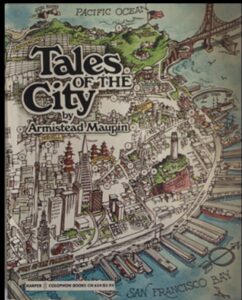
The books are worth reading. They’re breezy, hilarious, deeply moving and provide a glimpse of San Francisco in the mid-to-late 1970s. Try as I might I could not find any facsimiles of the articles as they appeared in City Life, but I did find a reprint of the first story in the SF Chronicle on May 24, 1976 that is linked here.
Fun aside: The San Francisco Chronicle was not a newbie when it came to taking chances. In 1967 the paper ran a column alongside Dear Abby called Ask Dr HipPocrates where he answered myriad questions about weed, LSD use and sex. It was all par for the course in those heady days.
Blog post cover photo copyright Netflix.
For a pre-release discount on The Haunting that Ended the Summer of Love, I invite you to sign the reminder form on this page.
Comments (0)