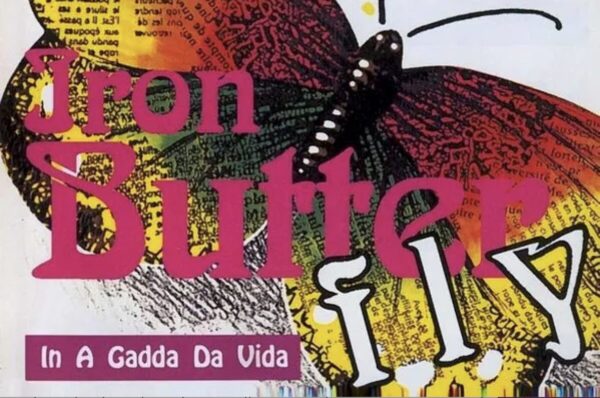
The Origin of Iron Butterfly’s In-a-Gadda-Da-Vida
One of the most iconic (and misunderstood) songs of the 1960s was Iron Butterfly’s In-a-Gadda-Da-Vida. I say misunderstood because it literally was misunderstood.
Let me explain.
This iconic 1968 song became a staple of the psychedelic age because anyone tripping would zone out on its 17-minute riff. But it came about by serendipity. Doug Ingle, the band’s organist and lead vocalist wrote it while in a drunken haze and named it In the Garden of Eden, but while playing it for the band’s drummer Ron Bushy, his words were so slurred Bushy wrote it down as In a Gadda Da Vida.
Later, after realizing the mistake, the band was so enamored of the moniker and its mystical evocation that they kept it. Along with the producers, they decided to release the 17-minute practice take, with its signature organ riff, drum solo and extended jams, because its energetic and trancelike vibe lent credence to its name and the times.
Reception
In-a-Gadda-Da-Vida, both the extended and truncated 3-minute version, became a staple of AM and FM radio stations as it exemplified the stoney vibe of the era. The album of the same name sold over 30 million copies and was one of the best-selling albums at that time.
Film and TV references
An episode of The Simpsons poked fun at the song, and it was also included in Francis Ford Coppola’s Apocalpyse Now and Michael Mann’s Manhunter.
For a pre-release discount on The Haunting that Ended the Summer of Love, I invite you to sign the reminder form on this page.
Comments (0)